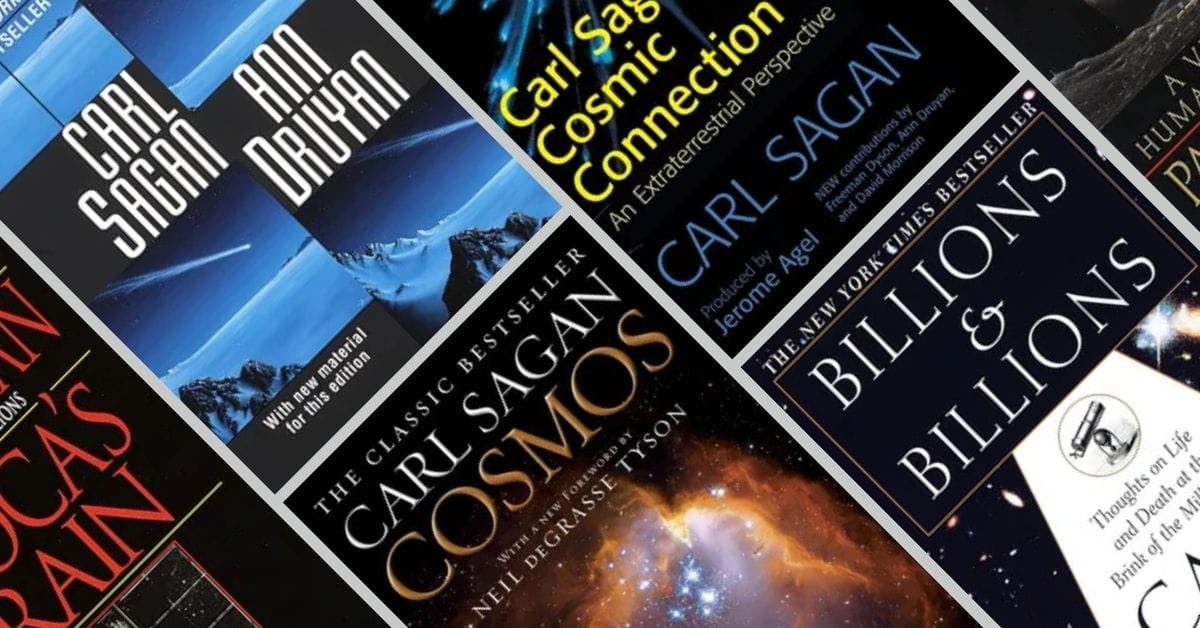

Similar to the problem we had with the publications of Stephen Hawking and other physicists covered on this site, Carl Sagan’s full publication list is far too sprawling to squeeze into a single, readable guide. Instead of cataloguing more than a hundred and fifty different editions, collaborations, and niche titles, this post focuses his nonfiction popular science books that are either still in print or easily accessible in modern formats. That means a cult favorite like Other Worlds may still be a thrilling find in a used bookstore, and if you stumble across it, it is absolutely worth picking up, but it is not included here because it is no longer being actively published and its themes are better represented in books you can buy new today.
This page contains affiliate links. If you make a purchase using links on this page, we might earn a commission.
11 Carl Sagan books in publication order (oldest to latest)
Carl Sagan’s Cosmic Connection, by Carl Sagan
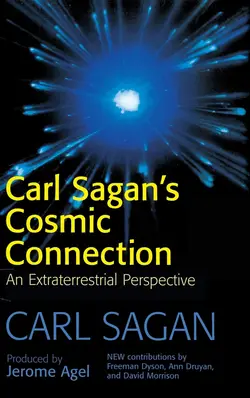
Published in 1973
Carl Sagan’s Cosmic Connection is an early statement of Sagan’s big themes: our place in the universe, the likelihood of extraterrestrial intelligence, and the idea that humanity is just one small part of a vast cosmic story. The book mixes planetary science with speculation about advanced civilizations and interstellar communication, all delivered in Sagan’s characteristically clear and poetic style. Readers who want to see where his mature ideas about “starstuff” and galactic civilizations began will find this a foundational starting point.
The Dragons of Eden, by Carl Sagan
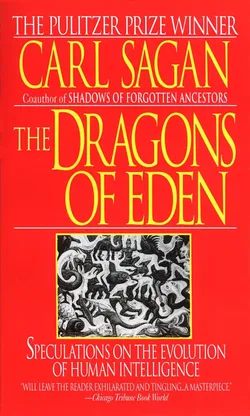
Published in 1977
The Dragons of Eden shifts focus from distant galaxies to the evolution of the human brain and mind. Sagan weaves together neuroscience, evolutionary biology, and anthropology to explore how human intelligence may have arisen and why our ancient instincts still shape modern behavior. The book is notable because it earned Sagan a Pulitzer Prize, cementing his reputation as a thinker who could bridge hard science and humanistic reflection.
Murmurs of Earth by Carl Sagan, et al
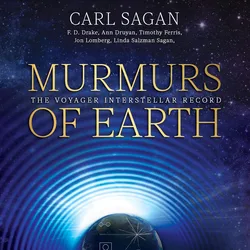
Published in 1978
Murmurs of Earth documents the creation of the Voyager Golden Record, the time‑capsule message sent into interstellar space aboard the Voyager spacecraft. The book walks through the choices behind the music, sounds, images, and scientific information selected to represent Earth to any potential extraterrestrial finders. While the original print edition is now out of publication, an audiobook released in 2017 keeps this behind‑the‑scenes story available to listeners who want to understand how humanity chose to introduce itself to the cosmos.

Broca’s Brain by Carl Sagan
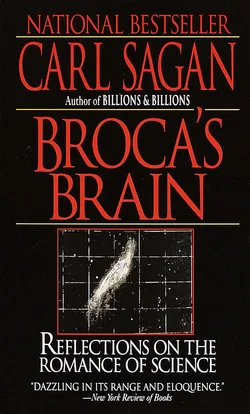
Published in 1979
Broca’s Brain is a collection of essays in which Sagan examines the history and philosophy of science, along with various scientific claims and pseudoscientific beliefs. The title refers to the preserved brain of 19th‑century neurologist Paul Broca, which becomes a jumping‑off point for reflections on what science can and cannot yet say about mind and consciousness. Across the essays Sagan ranges over topics from relativity and cosmology to UFOs and astrology, using them as case studies in how critical thinking and evidence‑based reasoning work.
Cosmos by Carl Sagan
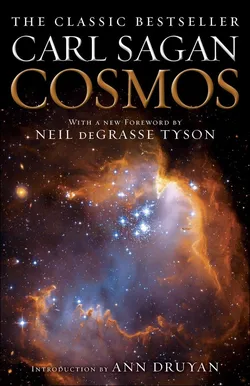
Published in 1980
Cosmos is often regarded as Sagan’s magnum opus, expanding and deepening the ideas from his landmark television series of the same name. It moves from the origins of the universe and the formation of galaxies to the history of life on Earth and the possibilities of life beyond our planet, all while reflecting on the fragility of civilization. The book’s blend of grand scientific narrative, cultural history, and philosophical musing has made it one of the most influential popular science works ever published, and a touchstone for readers discovering Sagan for the first time.
Comet by Carl Sagan & Ann Druyan
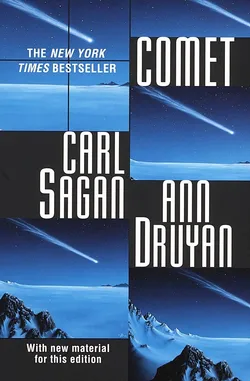
Published in 1985
Co‑written with Ann Druyan, Comet takes what could be a narrow astronomical topic and turns it into a sweeping story about the solar system and human imagination. The book traces what comets are, how they form, and the roles they have played in myth, religion, and scientific discovery, from omens in the sky to targets of space missions. Along the way it also addresses the real‑world implications of comet and asteroid impacts, connecting celestial mechanics to questions of planetary risk and survival.
Shadows of Forgotten Ancestors by Carl Sagan & Ann Druyan
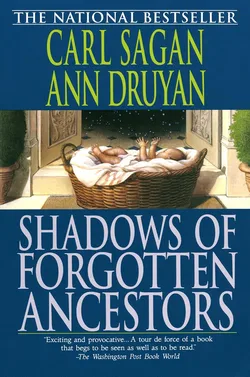
Published in 1992
In Shadows of Forgotten Ancestors, Sagan and Ann Druyan explore the deep evolutionary roots shared by humans and other animals. Examining genetics, primate behavior, and the fossil record to show how much of what is considered uniquely human actually has precursors in other species. It is both a humbling account of continuity between humans and the rest of life and an ethical nudge to reconsider how that continuity should influence attitudes toward other animals.
Pale Blue Dot by Carl Sagan
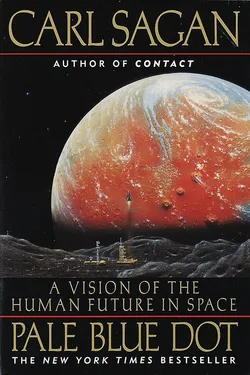
Published in 1994
Pale Blue Dot picks up thematically where Cosmos left off, with a focus on humanity’s future in space and the meaning of that tiny, distant image of Earth taken by Voyager 1. Sagan uses the photograph as a lens to discuss planetary exploration, the importance of maintaining and expanding a spacefaring civilization, and the moral implications of seeing Earth as a fragile speck in a vast darkness.
The Demon-Haunted World by Carl Sagan & Ann Druyan
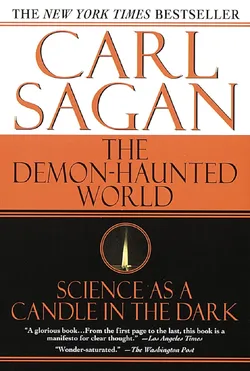
Published in 1995
The Demon‑Haunted World is Sagan’s most direct defense of scientific thinking and skepticism in an age of misinformation and superstition. Framed as a guide to a “candle in the dark,” it lays out the tools of the scientific method and critical inquiry, then applies them to topics like UFO claims, faith healing, and conspiracy theories. Readers often treat it as a manual for rational skepticism, because it pairs clear explanations of how science works with an emotional appeal for a society grounded in evidence rather than fear and credulity.
Billions & Billions by Carl Sagan
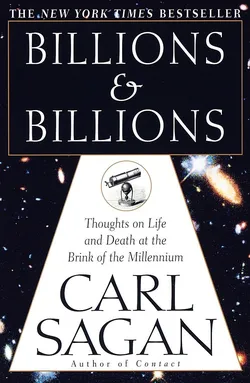
Published in 1997
Billions & Billions is Sagan’s final essay collection, completed as he was facing his own mortality, and it ranges over climate change, planetary ecology, public policy, and the future of humanity. The tone is reflective and urgent: Sagan discusses greenhouse warming, population pressures, and nuclear risk, but also the possibilities of international cooperation and long‑term thinking.
The Varieties of Scientific Experience by Carl Sagan (Posthumously)
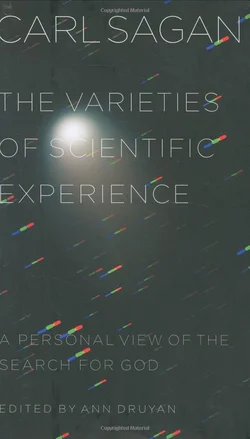
Published in 2006
Published posthumously from Sagan’s Gifford Lectures on natural theology, The Varieties of Scientific Experience tackles questions about God, religion, and meaning from a scientific perspective. Rather than simply dismissing religious belief, Sagan examines traditional arguments for the existence of God, the design of the universe, and the search for purpose in a cosmos that appears indifferent.
Thanks for reading through this guided tour of Carl Sagan’s books publication order. If this post helped you choose your next Sagan read, consider exploring the other physics and cosmology book guides on this site to keep building your reading list, and then join the conversation on X to share your favorites.